NEXTGEN SCIENCE UK
RESEARCH. DISCOVER. INSPIRE.
Psychology
Robyn Walters, 17
Introduction
Within school mental health is one of the rising problems they are trying to face. Many students throughout their school year struggle with different mental health issues. This created the question of does school create mental health issues or is it other factors. Throughout this paper I look through different reasons for why school could be the cause of why young individuals are facing these mental health issues down to 3 main issues that are most commonly reported from students and what are the next steps to solve this issue. This paper also reflects that despite growing awareness and supports that schools are trying to provide supports remains uneven and ineffective for many pupils.
Discussion
Mental health problems at school are one of the biggest problems the UK is facing. The UK education system has become one of the hardest challenges a student and young person must go through in their life down to many factors. School presents as a place of learning and a place where a welcoming community is and this can be the case for many students however every year many students report having mental health problems or high levels of anxiety. In 2023 the NHS reported children aged 8-16 (the age where most children are within education) 1 in 5 had reported having a mental disorder this could mean around 200 pupils who are within every high school could be experiencing a mental health issue. This is a Rising issue as from 2017 this report has raised 12% and if we don’t do something about it more pupils could be experiencing a mental health issue that can affect their education and further affect their future.[1]. This was also again reported with older children (aged 17-19) with 31.6% of young women reporting a mental health issue and 15.4% in young men. This shows the mental impact school have with pupils and this can become a hard reality for many facing these issues.
Many factors can cause mental health issues in school however the top 3 most students report is often academic stress, bullying and social pressure. [13]. Although some of these problems cannot be directly correlated to school these issues occur largely because of school atmospheres, some schools lacking support and pressure put on from teachers and education itself. All these problems can lead to mental health issues or spikes in anxiety levels that can impact an individual’s social and school life and potentially leading to future impacts. This is why we need to make a difference and improve the school system and support to help give the individuals who are impacted these issues a fair chance and help them with mental health.
There are many other factors that can affect a school pupils mental wellbeing however school can be a major factor for many especially during exam season. In 2025 Westminster Hall debating on remodelling the school system to better help young people and potentially help the mental health crisis. To do this MPs research at schools asking pupils about their academic stress and mental health during the school and exam season. Research showed that over 60% of A-level and GCSE students during exam season reported mental health issues causing many students to experience panic attacks, suicidal thoughts, self-harm and taking time off school which would have ultimately affected their exam results and potential future. [2]. Although it was self-report from students which could mean low reliability this shows how many struggles with these issues and are trying to reach for help. This result was again replicated in a study by Emma Howard and Aneesa Khan where they interviewed teachers about the new reformed GCSEs to see examination results and students stress levels. The results again they found showed high levels of stress in students around the examination period with 8 in 10 teachers reporting that GCSEs had created higher anxiety and stress levels around their students. [3]. This shows the great impact that examinations and school stress had on the children leading them to have mental health issues and higher levels of anxiety that may cause further issues in their lives. This even was reflected within younger pupils with year 6 children expressing that their SATs had led them to lose confidence and caused them to also lose sleep. [4]. This allows us to ask the question of do schools provide us with this mental health problem or is it because of examinations? As well as this I question when does this stress and anxiety start and why at such a young age? These questions can be answered by John Jirrim who conducted a study to see the mental health of individuals during adolescence and how it is impacted during school time. The results of his study are shown in the graphs below:
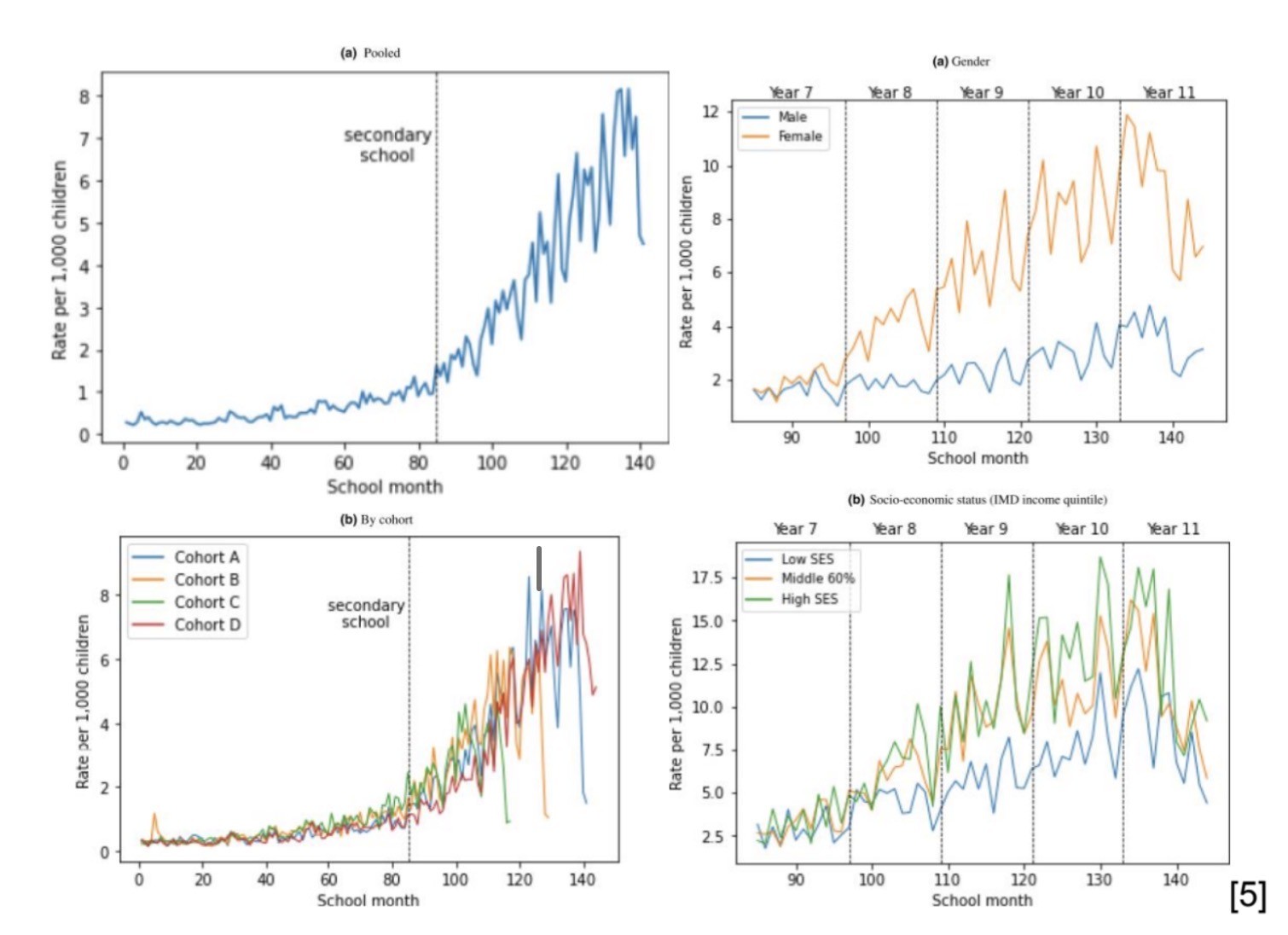
[5]
This shows how mental health issues usually spike in high school and in later years potentially due to exam stress and pressure. This can be linked to the parliamentary debate where it was found that young pupils usually spend approximately on average 31.5 hours sitting GCSEs not counting the hours of revision many students do behind the scenes. This is shocking compared to other countries such as around 4 hours within Victoria Australia, ten hours in Alberta, Canada, and twelve in Poland which have lower mental health issue rates in school at examination time rather than the UK who have one of the highest. [6]. As well within the parliamentary debate they asked a YoungMinds activist from the UK about the stress he experienced during the exam season. He reported that during exam season his OCD was “massively heightened” leading him to break down and still causing him to be triggered by the thought of exams today still having nightmares about the examination hall. He stated “From the start of Year 13, I found it difficult to think about anything other than exams. At school, I would hardly eat anything, as I was so focussed on studying. The exams massively heightened my OCD. It seemed to know these exams were incredibly important to me, and it went on the attack. The peak was the night before one exam, when I had a complete breakdown and could not stop crying. The pressure was enormous, and I felt like I was drowning in the sea of pressure. Two years after finishing my exams, I still have nightmares about them, imagining I’m back in the exam hall.” [7]. This shows how not only do examinations have an extreme impact during the exams, they can have a long-lasting significant impact for many students within the UK causing their exam periods to still affect them in everyday life.
However, this is just one conclusion to the question of where does this pressure and anxiety come from within school? As well as academic stress from exams other problems occur during school time that people have reported have mainly caused mental health issues or high anxiety. One of these issues includes bullying or cyberbullying that has stemmed from school. Martha Boateng showed that 1 in 5 pupils from year 7 to year 13 reported being bullied in the past year.[8]. This shows how schools can be a toxic environment to many and cause them to have years that they hate affecting their education and social lives and potentially impacting their future. In addition, there have been studies that show that bullying within schools has led to mental health issues. This is shown in the table below:
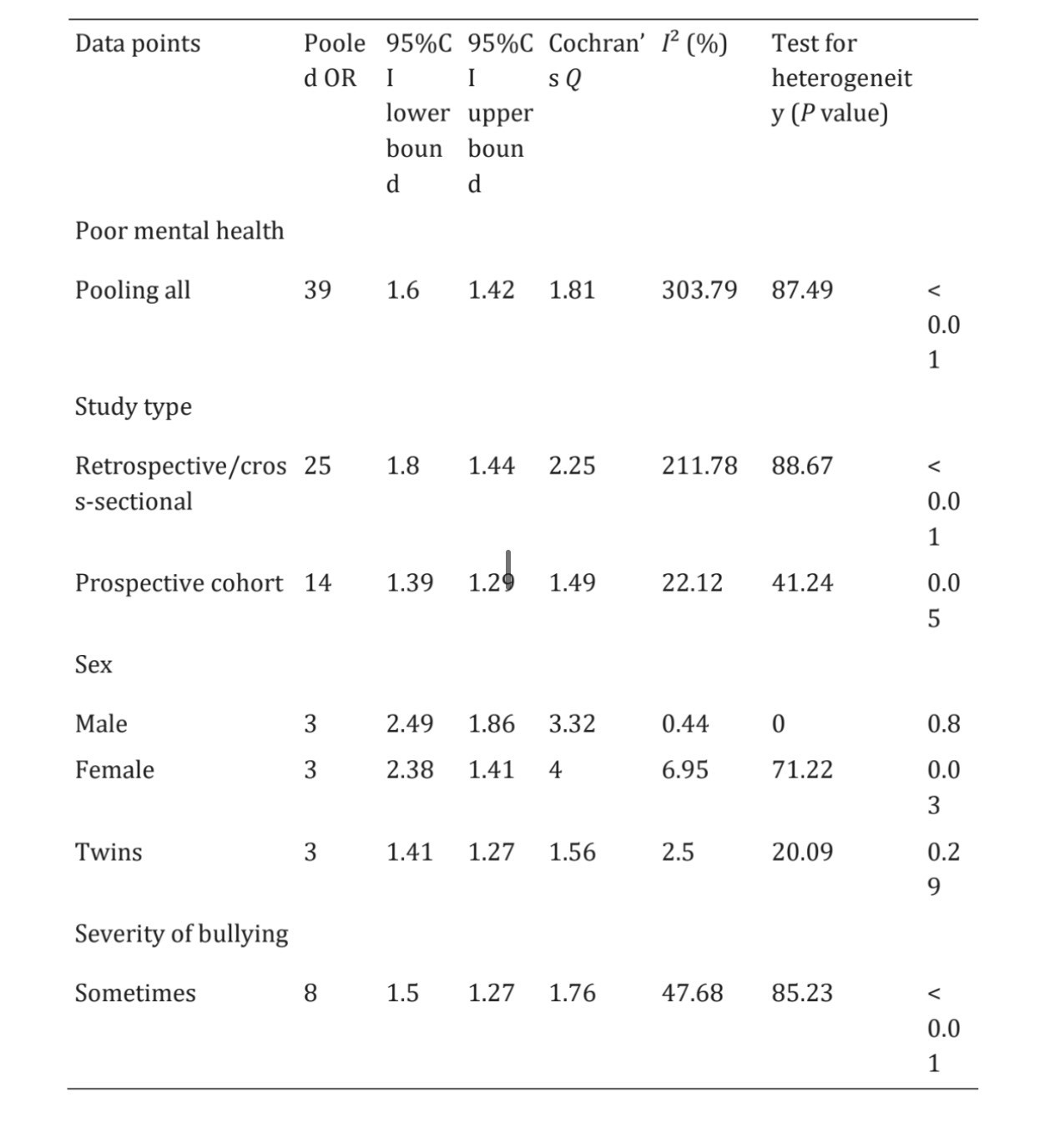
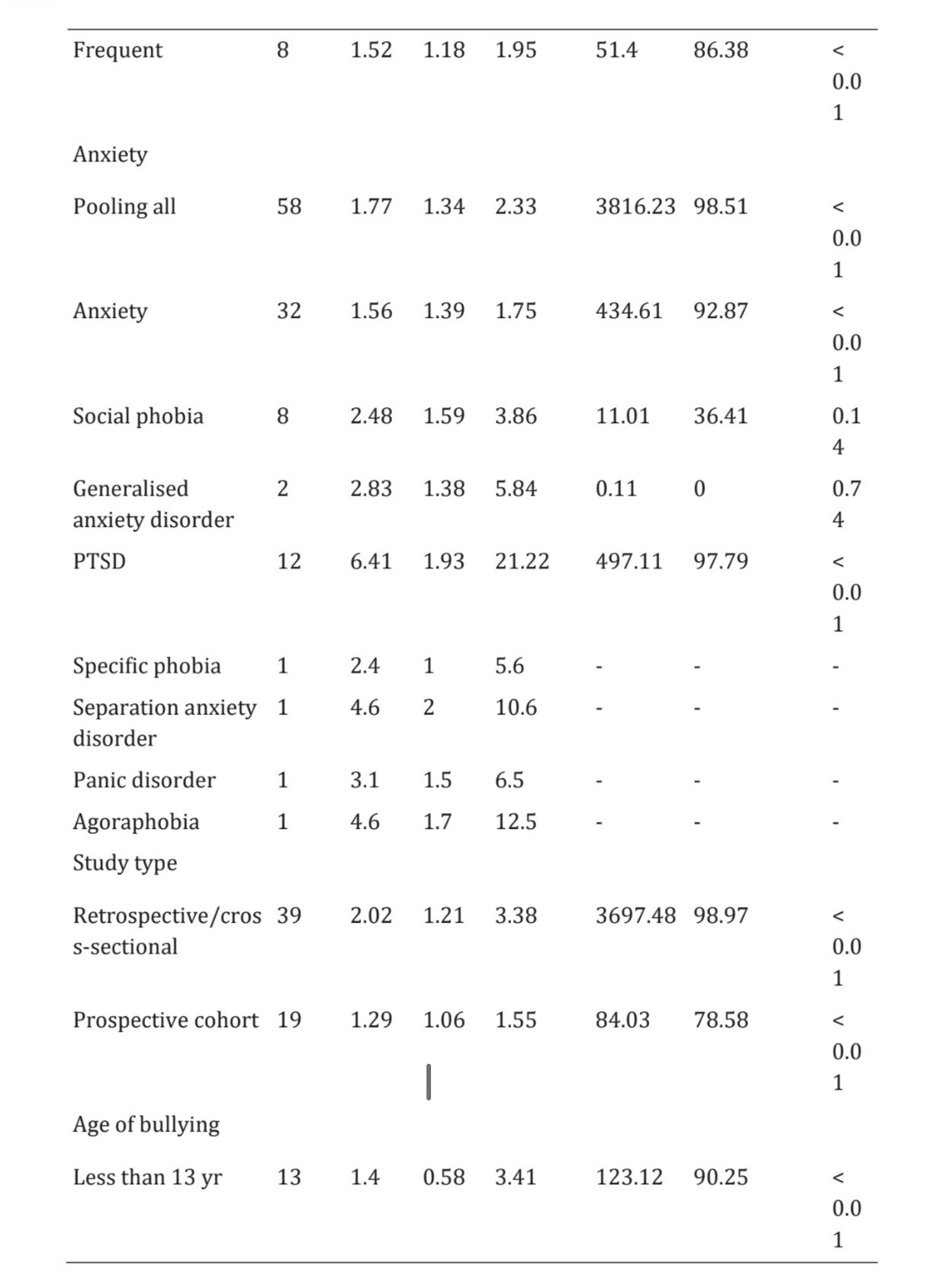
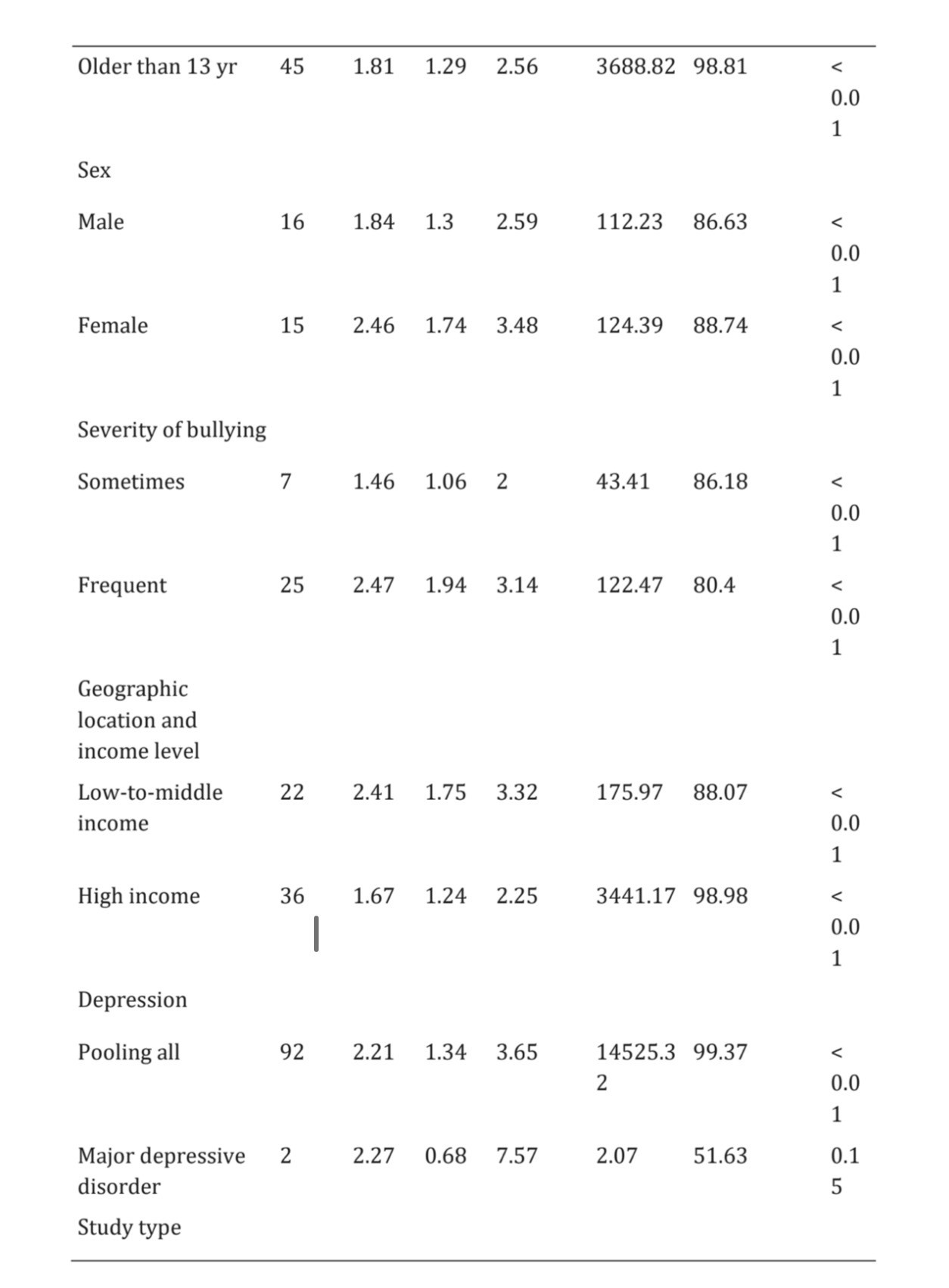
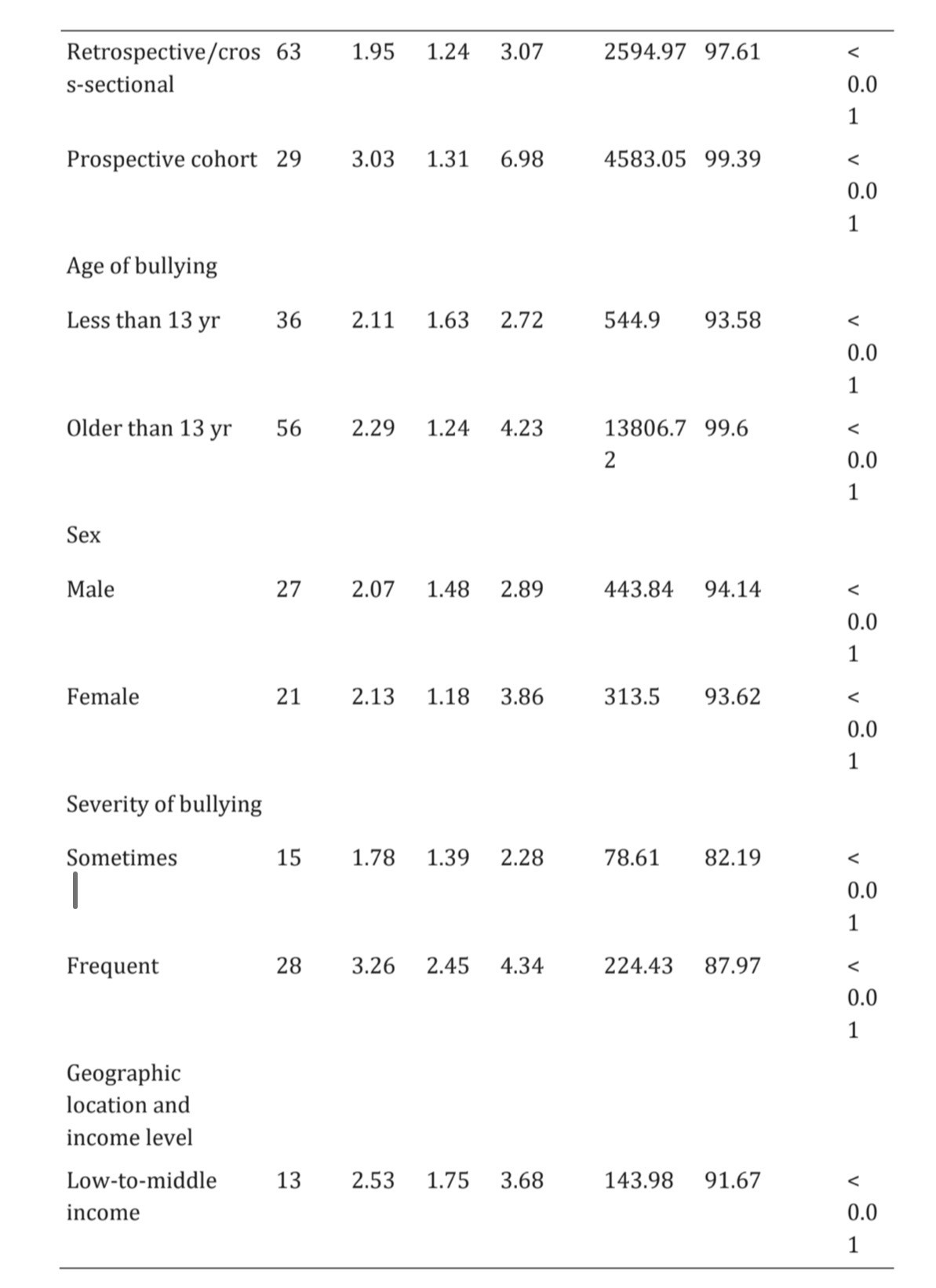
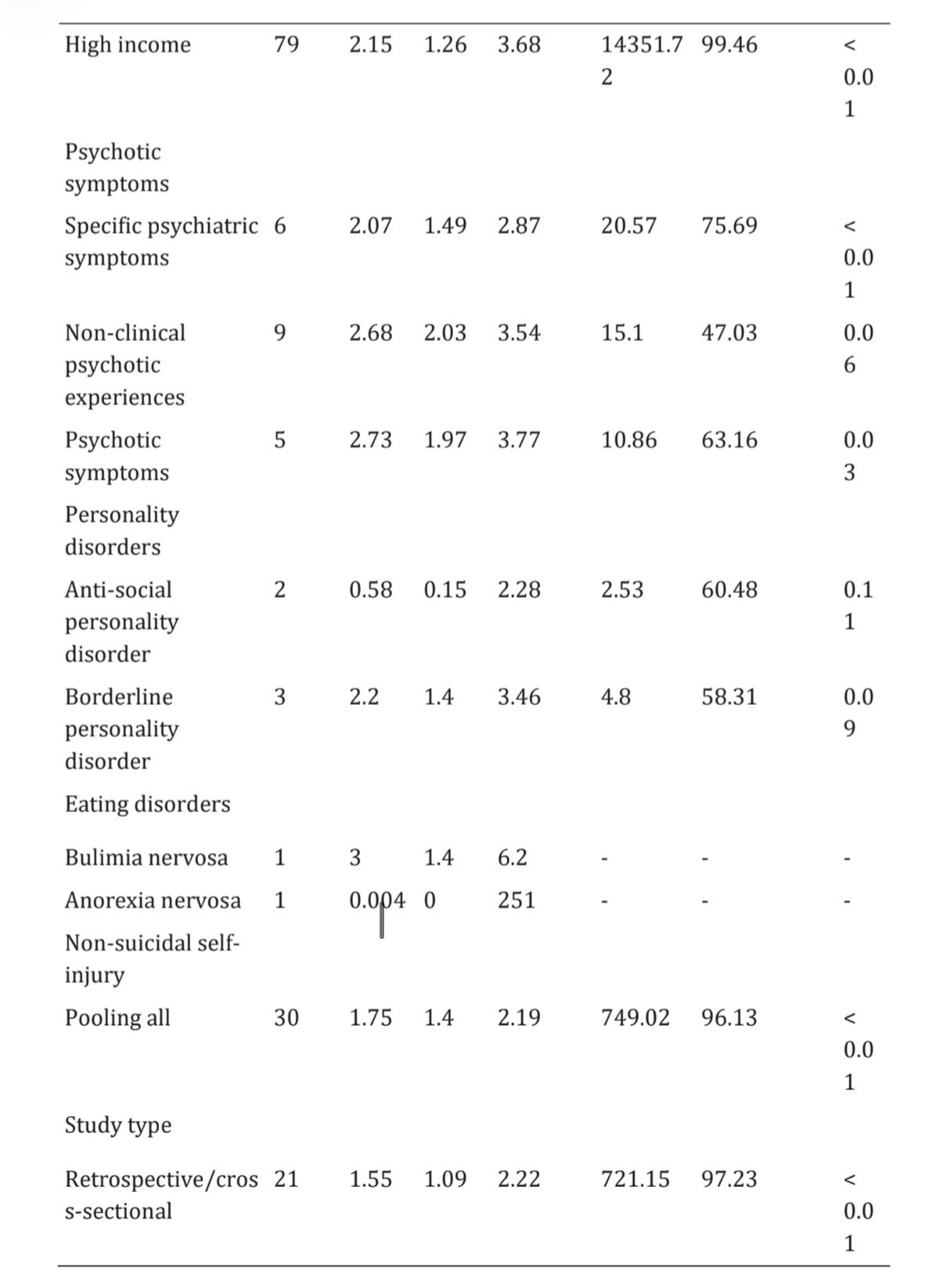
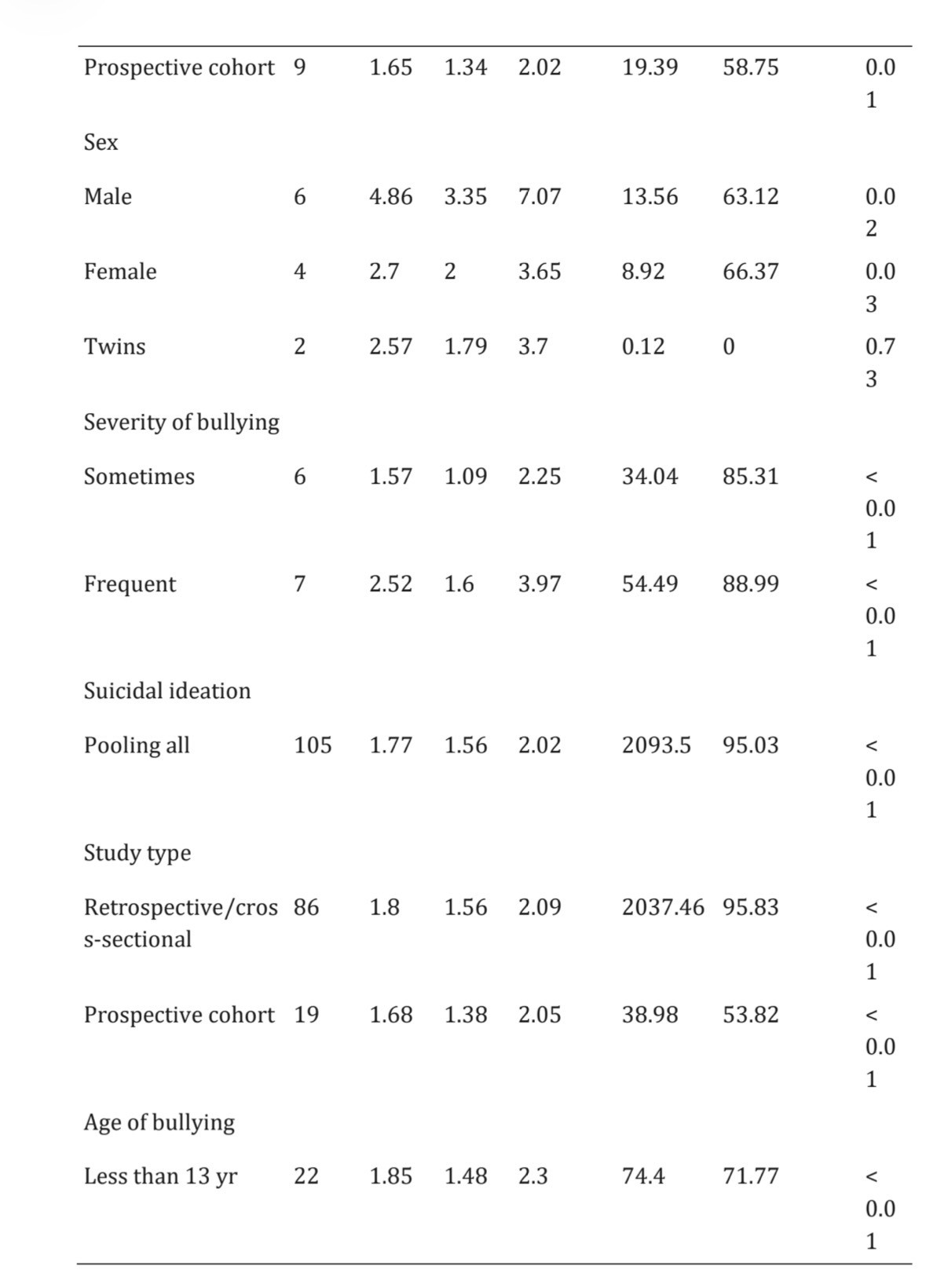
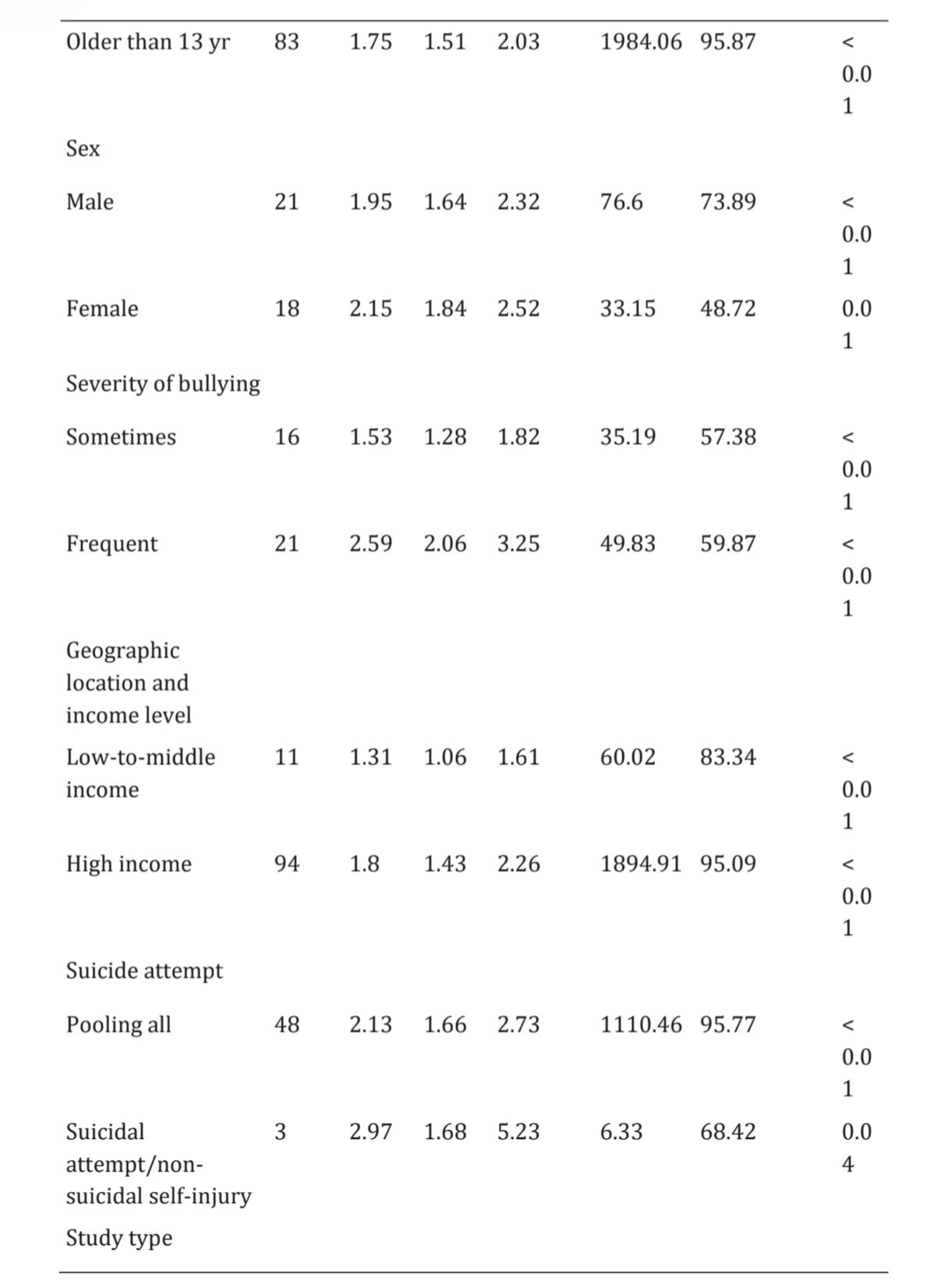
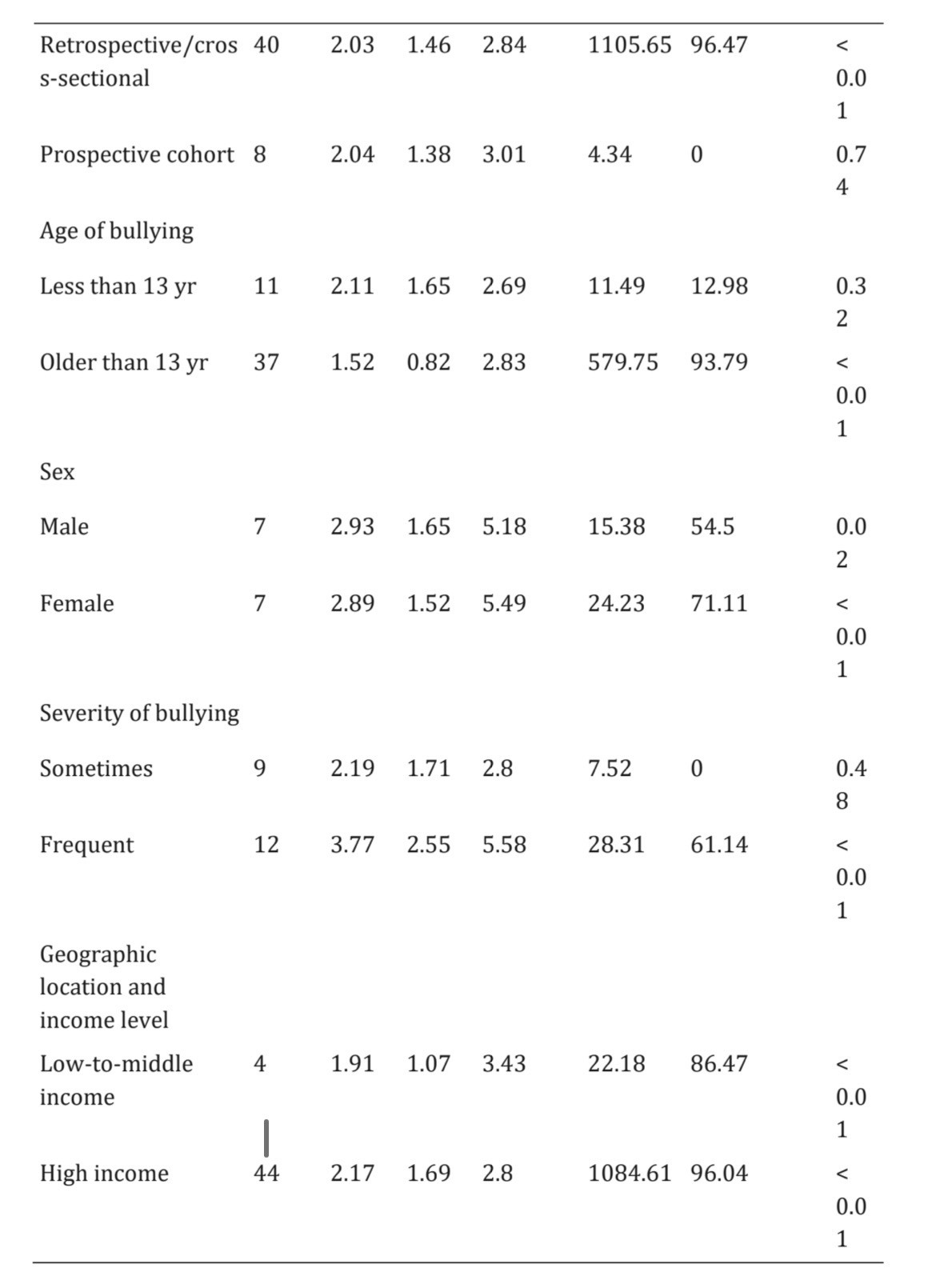
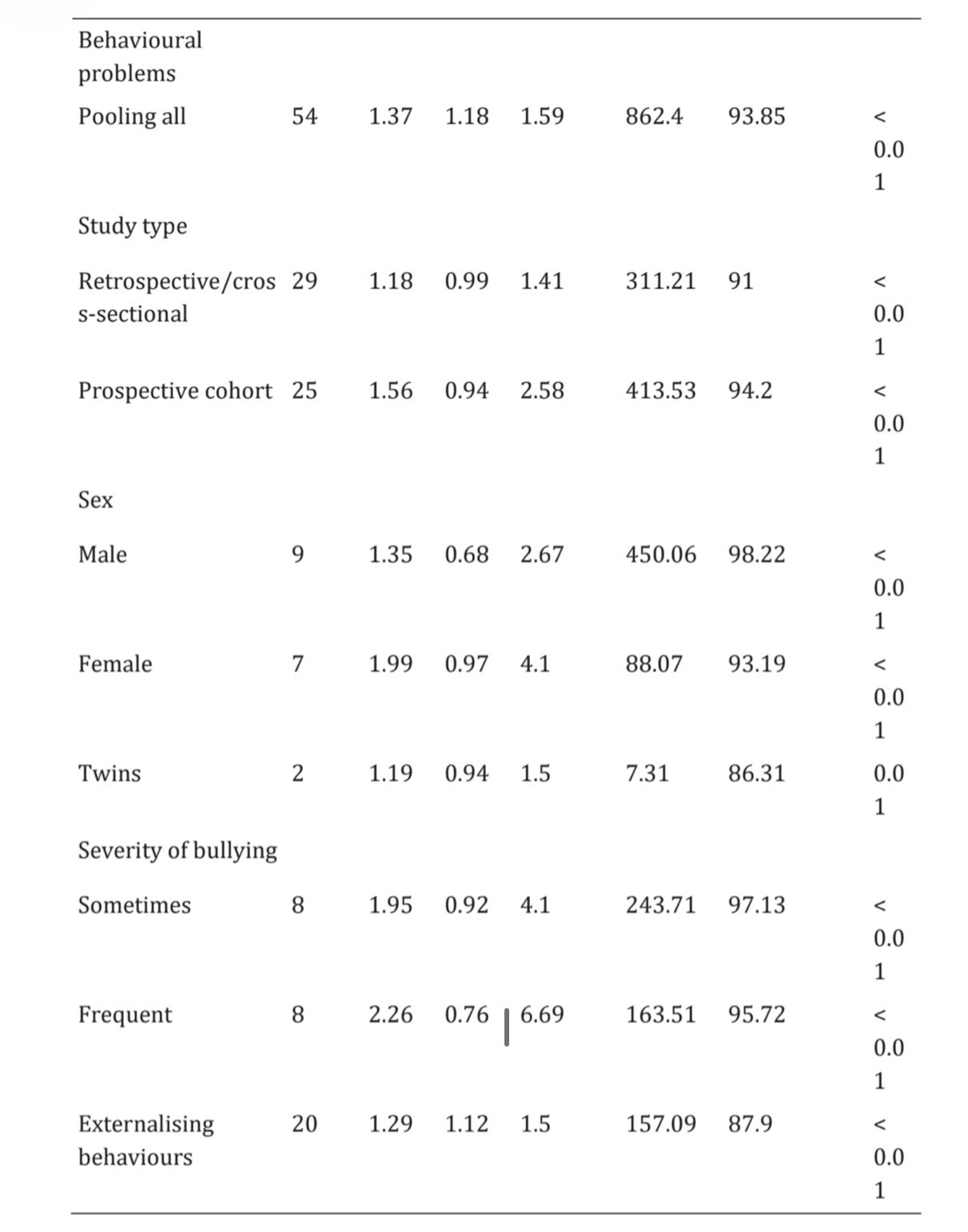
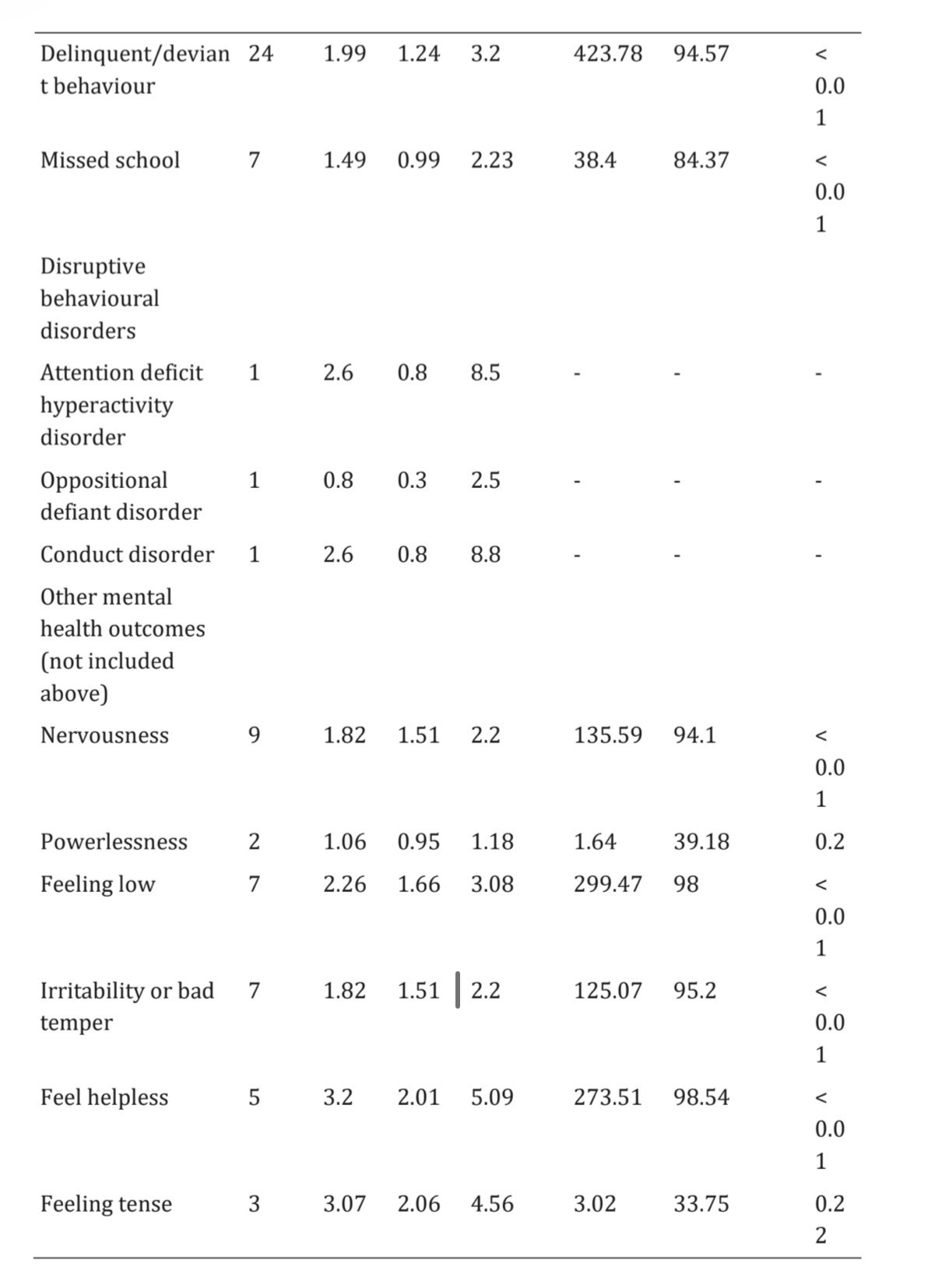
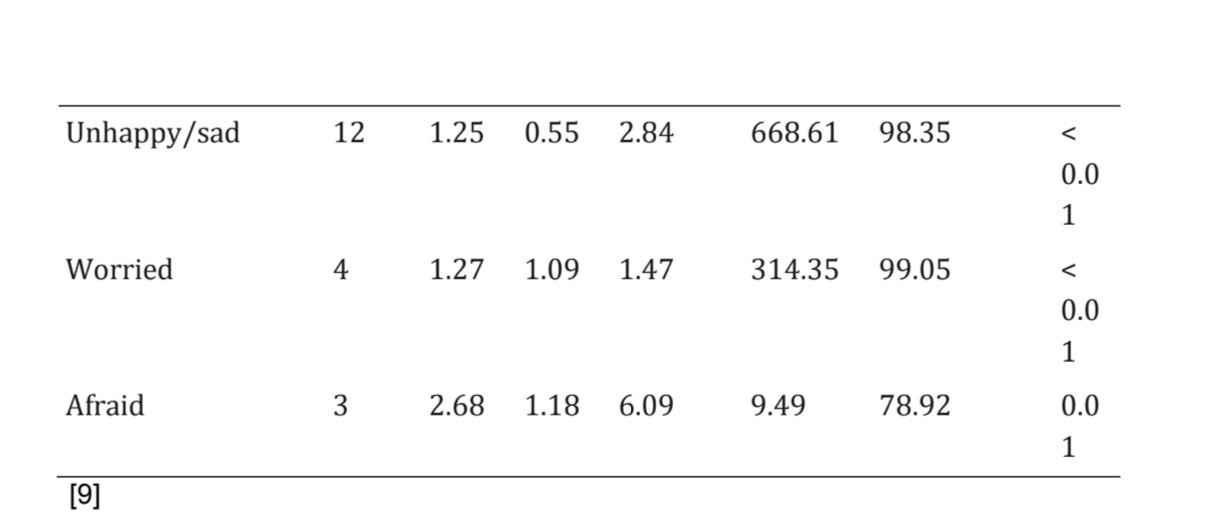
This is then replicated in a study where Yang He et el showed the correlation depressive symptoms and school bullying. They concluded that evidence showed there was association between school bullying, depressive symptoms and sleep problems. Bullying victimisation within girls showed significantly poor results in sleep studies and severe depressive symptoms which was again repeated when looking at boys showing a positive correlation with being bullied at school and depressive symptoms. [10]. Although bullying is not directly cause by school the environment it surrounds young individuals by can be harmful and lead to bullying if not prevented. Studies have shown how in person bullying has decreased 24% since April 2024 which shows positive impacts of the improvements, we have made today. [11]. However other research shows that impacts and cases of cyberbullying are increasing and education and awareness needs to become better to help prevent this within schools to help prevent the mental health issues bullying can produce. In 2024 reports showed that in England 19% of pupils reported having mental health issues. Meaning 1 in 6 individuals experience something that can lead to spikes in anxiety, depression, and self-harm. [12].
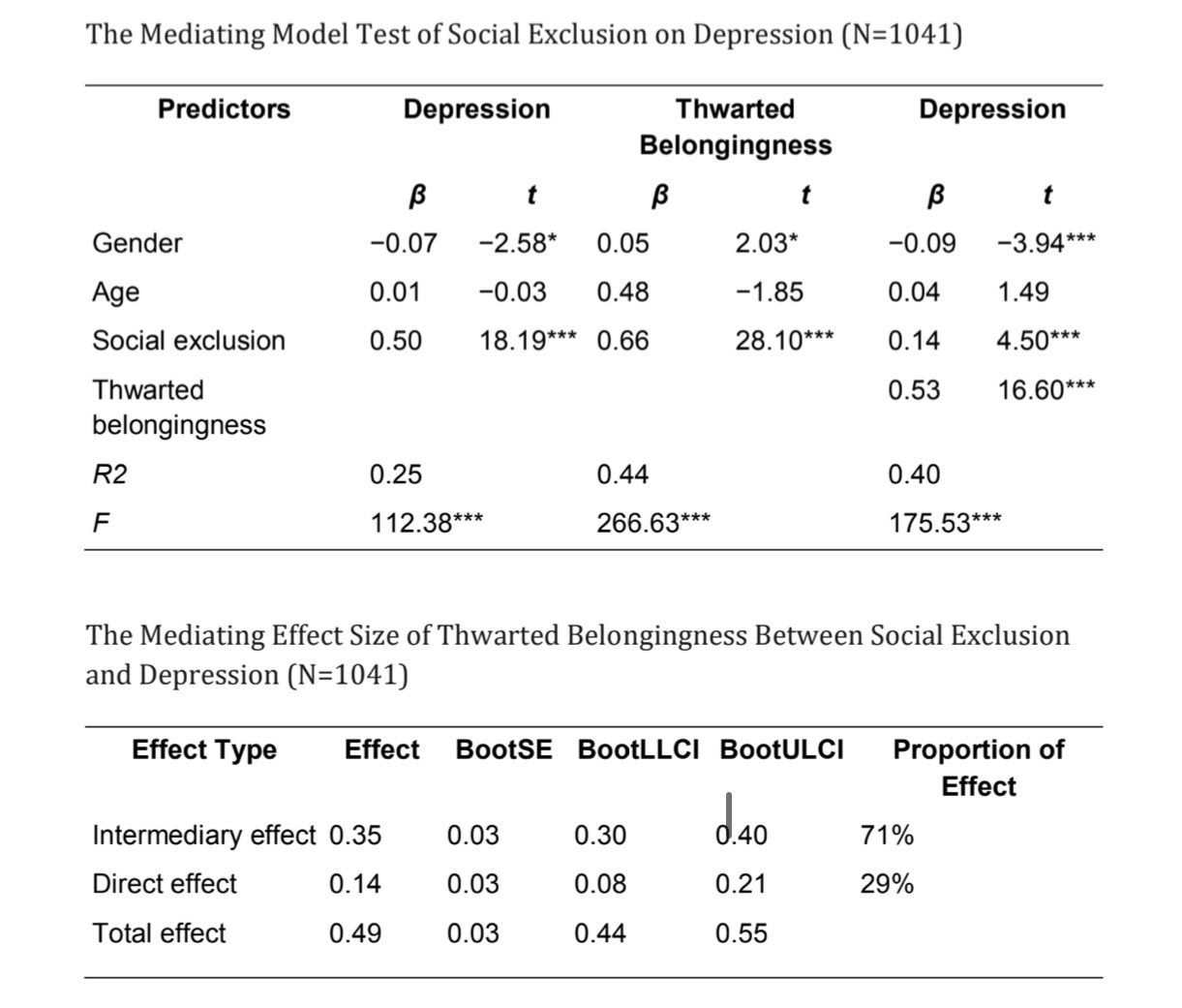
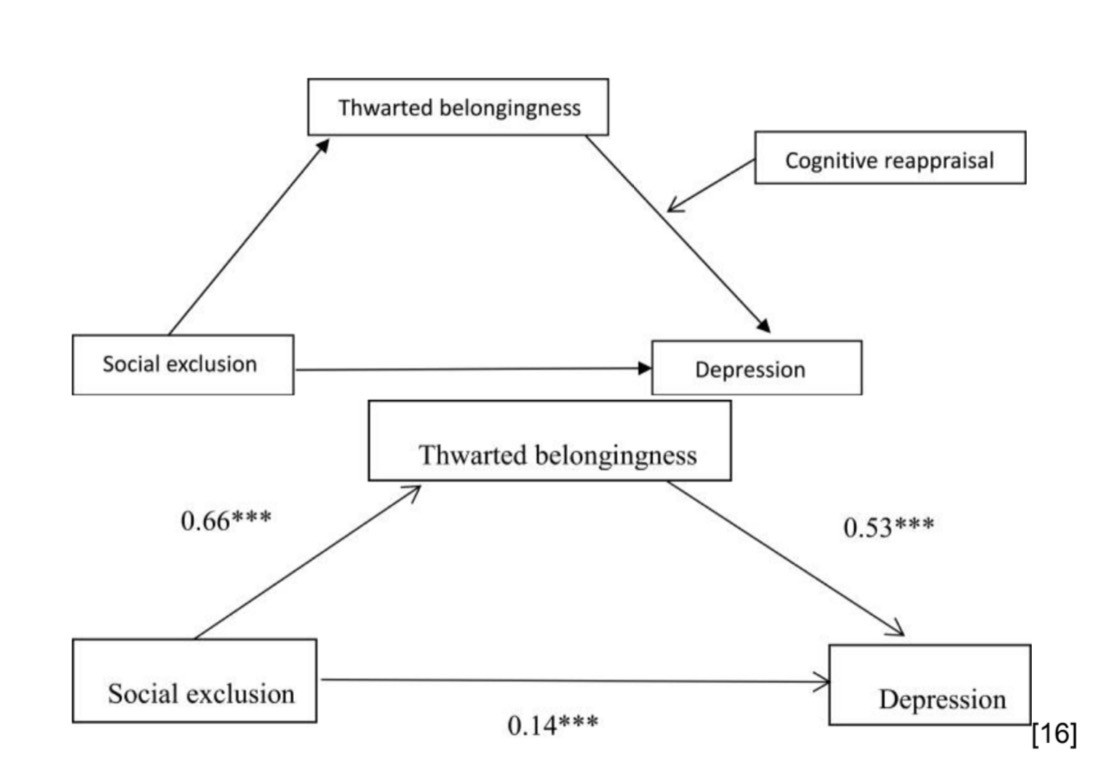
Finally, the third reason many individuals through their school year experience mental health issues or high levels of anxiety is usually down to social pressure. Throughout school many pupils often report having trouble navigating peer relationships, fitting in socially and managing comparison within school. This often leads to pupils developing mental health disorders such as eating disorders, social anxiety and social phobias and often leads to many experiencing low self-worth. [14]. Studies have shown that for many students’ school can be a positive social environment if feeling respected, included and accepted by their peers however this can dramatically change if a pupil does not feel this way. School can become a negative environment for them and can lead to low attendance which can hugely impact their education. [15]. This shows how school can provide an environment students are afraid to attend as they associated their peers and atmosphere with their negative thoughts of “not being good enough” as they don’t feel accepted. In addition, it is shown that social exclusion within school and comparison with other school students has a high correlation with causes of depression and symptoms. When in school many pupils often find themselves involved in drama and can lead to loss of friends and feel isolated for some students, they find this easy to cope with and often can find other support however for some students this can lead to complete isolation and even cause significant mental health issues if they are not provided with the right support. The tables and figures below show how these issues at school can lead to depression:
[16]
This shows how within school many pupils often feel isolated by groups and find it hard to cope as they must visit the environment, they feel alone 5 days a week forcing them into an environment they feel alone causing them to develop depression symptoms. Overall, all these issues show how school can be a toxic place for many pupils that can cause these problems and issues for multiple reasons.
Conclusion
These issues can be made within school gates and schools often try and support pupils as much as possible however for many individuals these problems often continue outside school and become a major problem for many in their everyday lives. Mental health conditions can in adolescence can often be related to poor mental health in later adulthood showing us that these school problems are not just minor problems that need to be fixed but major issues for individuals that can impact their future for a lifetime. This is why we need to make a change for the school system and support as mental health issues are currently rising with 1.22 million children under 18 in contact with NHS-funded mental health services during 2024/25 and these issues are become a problem for many. These problems need to be addressed and the right educated needs to be provided for these pupils, so they know how to access the right support becomes it becomes an even worse issue.
Methodology
To identify relevant research and reliable sources for the information I needed I ensured I looked at peer-reviewed literature papers published between 2016-2026 to try and remove any time validity that may be present within the studies as this could cause inaccurate information as mental health can change throughout the years as mental health has got worse. I used Google Scholar to find relevant studies using key words to ensure I got studies that directly linked to what i was talking about. I also use relevant studies that provided effective research an information to back up my findings. I also made sure to use reliable websites such as government websites and speeches made in parliament to find real life issues that had been talked about to show how this is a problem we have today and it is something we are already trying to raise awareness for and solve.
References
[1]: https://digital.nhs.uk/data-and-information/publications/statistical/mental-health of-children-and-young-people-in-england/2023-wave-4-follow-up (NHS England children’s mental health report 2023) [2]: https://hansard.parliament.uk/commons/2025-10-15/debates/0565D28B-330B 422D-BC67-6ED4E91F4379/EducationalAssessmentSystemReform (Educational Assessment System Reform Josh Dean 2025) [3]: GCSE reform in schools (GCSE reform in schools Emma Howard and Aneesa Khan 2017- 2019) [4]: Primary pupils ‘feel test pressure’ - survey - BBC News ( Judith Burns 2016) [5] The mental health of adolescents in England: How does it vary during their time at school? - Jerrim - 2022 - British Educational Research Journal - Wiley Online Library (The mental health of adolescents in England: How does it vary during their time at school? John Jerrim 2021) [6]: https://www.findtutors.co.uk/blog/exam-stress-statistics (50+ Stunning Exam Stress Statistics: How Mental Health Can Be Affected Irem Cohantimur 2025) [7]: https://hansard.parliament.uk/commons/2025-10-15/debates/0565D28B-330B 422D-BC67-6ED4E91F4379/EducationalAssessmentSystemReform (Paddy’s speech about year 13 exams Josh Dean 2025) [8]: https://anti-bullyingalliance.org.uk/aba-our-work/news-opinion/new-national-data reveals-realities-bullying-belonging-and-behaviour (New national data reveals the realities of bullying, belonging and behaviour in England’s schools Martha Boateng 2025) [9]: https://pmc.ncbi.nlm.nih.gov/articles/PMC5371173/ (Consequences of bullying victimization in childhood and adolescence Norman RE et el 2017) [10]: https://www.sciencedirect.com/science/article/abs/pii/S0165032721012581 (Bidirectional associations among school bullying, depressive symptoms and sleep problems in adolescents Yang He et el 2022) [11]: https://anti-bullyingalliance.org.uk/aba-our-work/news-opinion/new-national data-reveals-realities-bullying-belonging-and-behaviour (New national data reveals the realities of bullying, belonging and behaviour in England’s schools Martha Boateng 2025) [12]: https://www.bbc.co.uk/news/uk-wales-68667030 (Cyberbullying: One in six teenagers report harassment online PA Media BBC News 2024) [13]: https://learningpolicyinstitute.org/product/student-mental-health-education factsheet (Student Mental Health and Education Learning Policy Institute 2025) [14]: https://journals.sagepub.com/doi/full/10.1177/0272431620950469 (Increases in Emotional Eating During Early Adolescence and Associations with Appearance Teasing by Parents and Peers, Rejection, Victimization, Depression, and Social Anxiety Haley J. Webb 2020) [15]:https://www.researchgate.net/publication/377440829_Adolescent_School_Belon ging_and_Mental_Health_Outcomes_in_Young_Adulthood_Findings_from_a_Multi wave_Prospective_Cohort_Study (Adolescent School Belonging and Mental Health Outcomes in Young Adulthood Kelly-Ann Allen 2024) [16]: https://pmc.ncbi.nlm.nih.gov/articles/PMC10676663/ (The Influence of Social Exclusion on High School Students’ Depression: A Moderated Mediation Model Xinxin Yu 2023)
Back to Journal
“Science is for everyone.
The future is for young people.”